Nissan Fuel Injector Buyer's Guide
Computer-controlled fuel injectors are a breakthrough in delivering a precise amount of fuel to the engine under all driving conditions. As a result, fuel injectors became a significant step forward in increasing fuel economy and lowering vehicle emissions. We’ve put together this comprehensive guide to understanding fuel injectors, including:
- Fuel injectors - and their job - explained.
- Commonly seen fuel injector problems.
- How to troubleshoot and diagnose a failing fuel injector.
- How to replace a Nissan fuel injector.
- Understanding OEM vs. aftermarket fuel injectors
What's A Fuel Injector And What Does It Do?
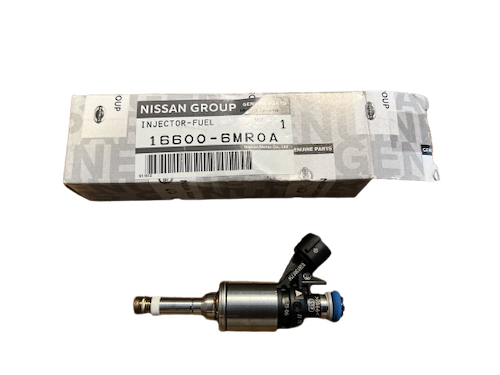
A fuel injector is a device that atomizes and injects fuel into an internal combustion engine. It is a critical component of the fuel system, and its main function is to ensure that the correct amount of fuel is delivered to the engine at the correct time.
Fuel injectors are typically made of a metal body with a nozzle at the end. The nozzle is designed to atomize the fuel, which means breaking it up into very small droplets. This allows the fuel to mix more easily with air, which results in more efficient combustion.
The fuel injector is controlled by the engine's computer, which determines the amount of fuel that needs to be injected based on a number of factors, including the engine speed, load, and throttle position. The computer sends an electrical signal to the injector, which opens the nozzle and allows the fuel to flow out.
With advancements in fuel injection technology during the early 1980s, precise control of the air-fuel mixture in the engine combustion chamber became possible. This helped new vehicles meet strict fuel economy requirements and reduced tailpipe emissions standards. Computer-controlled fuel injection offers several benefits, including:
- Optimized power at different engine speeds and load levels
- Improved cold-weather starting
- Increased fuel economy
- Reduced toxic exhaust emissions
Learn more in this article about why fuel injectors are important.
Common Problems And How To Diagnose A Failing Fuel Injector
When your fuel injectors are beginning to go bad, there are several common problems that many Nissan owners experience. Sluggish acceleration can sometimes be attributed to clogged injectors. Sometimes, the wiring in the injector can fail causing the injector to lose connection with the ECU. These problems (and more) are covered in this post. If you suspect your injectors are headed for full failure, there may be one or several indications. Watch for symptom including:
- Check engine light
- Rough running engine or stalling
- Reduced fuel economy
- Lack of power and poor acceleration
- Failed emissions test
First, check for diagnostic trouble codes (DTCs) stored in the ECM (engine control module). Cylinder misfires or oxygen sensor trouble codes may be a symptom of fuel injector faults. Learn more about diagnosing fuel injector problems in this article.
How To Replace Nissan Fuel Injectors
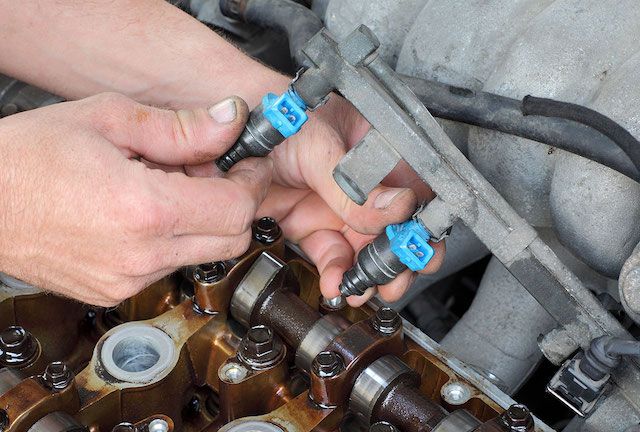
Image Credit: AutoGuru
If you’ve determined a fuel injector is bad, you should replace all of your fuel injectors at the same time. Avoid expensive repair shop labor by replacing fuel injectors yourself. You may need additional tools, but it’s a good investment for future DIY auto repairs. Learn more about how to replace Nissan fuel injectors here. These are the basic steps for replacing fuel injectors. Refer to your specific Nissan model repair manual for more detailed instructions.
OEM Or Aftermarket Fuel Injectors - Which Are Best?
Nissan fuel injectors are engineered and calibrated for the specific requirements of your Nissan engine. OEM fuel injectors are brand new with the exact fit and tolerances as the original ones. However, the replacement fuel injectors you choose may depend on your budget and needs.
OEM fuel injectors offer the best warranty and reliability. If you're modifying your Nissan engine for more power, high-performance aftermarket fuel injectors can be ideal - but remember that they'll be less reliable. Remanufactured fuel injectors are another option if you just want to get your Nissan running well enough to sell it. Learn more about the differences between genuine OEM Nissan injectors and aftermarket fuel injectors here.
Trust Nissan Parts Plus For Your Nissan Fuel Injectors
Nissan Parts Plus has been a family-owned Nissan dealership for over 50 years. Our parts department staff have decades of experience in all-things-Nissan. We offer factory-direct genuine OEM Nissan parts and accessories at wholesale prices. We’re here to answer your questions - check out our FAQ or please contact us today!