How To Diagnose A Failing Fuel Injector
The engine control unit (ECU) relies on the fuel injectors to deliver a precise amount of fuel under all driving conditions. If your injectors are on the decline, there may be one (or several symptoms) to watch for, including:
Check Engine Light
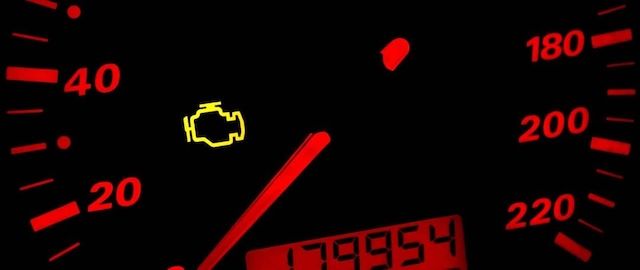
A check engine light is usually one of the first symptoms of a faulty fuel injector. Based on oxygen sensor data, the ECU detects too much or insufficient fuel in the combustion mixture. When this happens, the ECU will store diagnostic trouble codes (DTCs) and command the check engine light to turn on.
Engine Running Rough Or Stalling
If a fuel injector is bad and oxygen sensor readings are skewed too lean or too rich, an incorrect air and fuel mixture will cause the engine to run poorly. The engine may run rough at idle, stall, or stumble on acceleration. In addition, there could be an audible engine knock or visible smoke from the tailpipe.
Reduced Fuel Economy
Engine combustion becomes inefficient when the fuel mixture is too rich or lean. Poor combustion will cause the engine to burn excessive fuel or run leaner and hotter, reducing fuel economy. Unburned fuel entering the exhaust system may also cause an unpleasant “rotten egg” odor from a chemical reaction inside the catalytic converter.
Lack of Power And Poor Acceleration

When a fuel injector does not deliver the correct amount of fuel, the ECU can’t precisely control the air and fuel mixture or ignition spark timing. Too much or too little fuel causes inefficient combustion and engine misfires. The symptoms can be reduced horsepower and sluggish vehicle acceleration.
Failed Emissions Test
A vehicle cannot pass an emissions test if the check engine light is on for any reason. Diagnosing and repairing any fuel injector faults is necessary to clear the code and turn off the check engine light.
Determining If The Fuel Injector Is Bad
The first step in diagnosing a fuel injector is checking for DTCs stored in the ECU. The ECU can set multiple related fault codes. Cylinder misfires or oxygen sensor codes may be a symptom of fuel injector faults. Some vehicles will pinpoint which cylinder is misfiring, which can help identify the bad injector. Here are some things to check for when diagnosing a fuel injector:
- Inspect the electrical connector for damage or corrosion.
- Check the condition of the fuel injector tip for signs of leaking or clogging.
- Use live data from a scan tool to check the fuel trim and oxygen sensor data.
- Learn more here about common fuel injector problems here.
Genuine OEM Fuel Injectors From Nissan Parts Plus
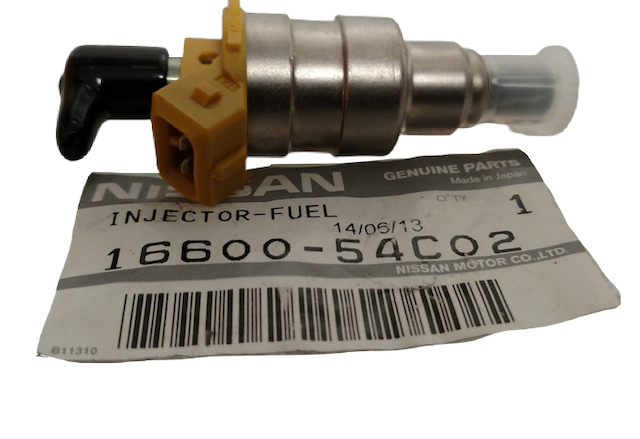
If you've determined your fuel injectors need to be replaced, trust Nissan Parts Plus for the best wholesale prices and selection online. Shop NissanPartsPlus because:
- We’ve been a family-owned Nissan dealership for over 50 years.
- We offer factory-direct genuine OEM Nissan parts and accessories at wholesale prices.
- We’re here to answer your questions and get you the right parts for your Nissan. Check out our FAQ or please contact us!