

What Is A Fuel Injector And Why Is It Important?
Over the past 100 years of internal combustion engine development, we have had two primary ways of fueling an engine. For a long time, most gas engines were fueled by carburetors. Carburetors create a mixture of fuel and air that is pulled through the intake manifold into the combustion chamber via a vacuum. This method of fueling was very effective for many years. But it has drawbacks, including poor cold weather operation and lack of precision. Engineers seeking to improve on these drawbacks came up with fuel injection.
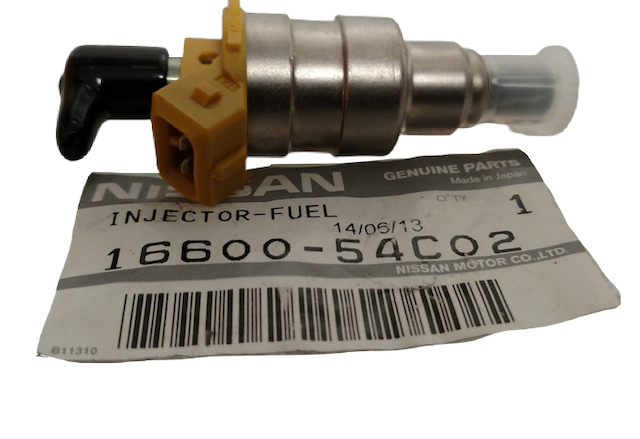
Fuel Injection Provides Precision
With the advent of fuel injection in the early 1980s, controlling the fuel mixture much more precisely became possible. This helped engines meet ever-tougher fuel economy and emissions standards. Rather than mixing air and fuel before it goes into the intake manifold, fuel injection uses one injector per cylinder to inject fuel. The fuel is injected either right before the cylinder or directly into the cylinder itself. Electrical signals very precisely control the injectors. If you'd like to check out our selection of fuel injectors, you can find them here.
Benefits Of Fuel Injectors
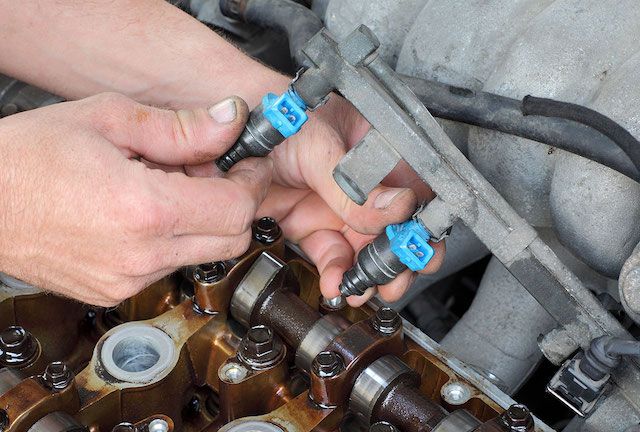
Image Credit: AutoGuru
Fuel injection is controlled by a computer that also monitors the fuel mixture. This offers several benefits:
- Engine power can be optimized at different engine speeds and load levels
- Cold weather starting is much better.
- Fuel economy is much improved.
- Toxic emissions are greatly reduced.
Fuel injectors help to create all of these benefits. It's safe to say that internal combustion engines will never return to using carburetors.
Downsides Of Fuel Injectors
While fuel injection offers many benefits over carburetors, issues can still develop. Fuel injectors have moving parts, and eventually, they will wear out. In addition, the fuel injector nozzle that fuel is forced through is very small. Over time, deposits from the fuel can accumulate in the opening, causing partial clogging. When this happens, fuel delivery will not be precise. The engine won't run as well, and fuel economy will suffer. Sometimes injectors can be cleaned with a fuel additive, but they must be replaced in other cases.
What Does A Fuel Injector Look Like?
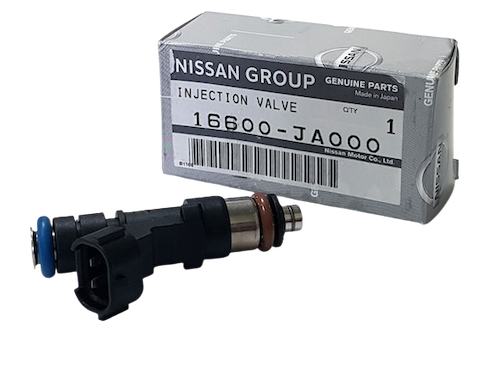
Fuel injectors resemble the letter y. The lower end of the "Y" injects fuel into the engine. The upper two arms of the "Y" allow for fuel flow and an electrical connection. They are 4 or 5 inches long and about an inch in diameter.
OEM Fuel Injectors From Nissan Parts Plus
Our team at Nissan Parts Plus is happy to help keep your car running at its best. Fuel injector replacement is a johb you can do yourself, and our team is happy to help you find the right parts. As part of a family-owned Nissan Dealership in Massachusetts, our team is delighted to provide OEM parts at wholesale prices. We offer a VIN decoder to help you get the right parts for your Nissan the first time. You can contact us here, or call us at 1-888-370-4432.