How To Replace A Nissan Fuel Injector
Peak engine performance and clean combustion require precise fuel delivery from your Nissan's fuel injectors. A malfunctioning fuel injector can cause several problems, including a rough-running engine, poor fuel economy, or excessive exhaust emissions. In a recent blog post, we explained how to diagnose a failing fuel injector.
If you do have a bad fuel injector, it is recommended to replace all of the fuel injectors at the same time. This post will explain how to replace them. If you're still deciding what fuel injectors to buy, learn about the advantages of OEM injectors in this article.
Tools And Supplies You'll Need
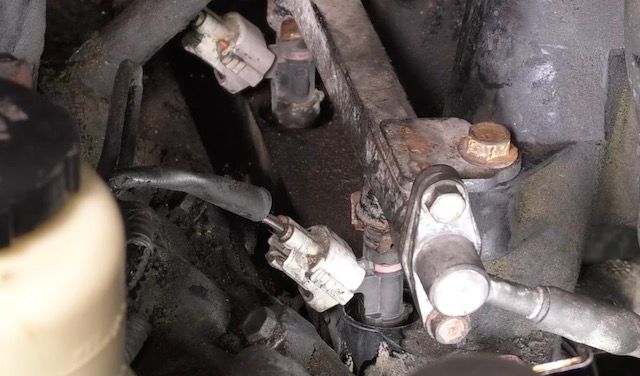
You can save significant money on expensive repair shop labor by replacing fuel injectors yourself. You may need to buy additional tools, but any tool purchase is a good investment for future DIY auto repairs. An OBD II code reader is essential for many modern vehicle repairs. You can purchase a Bluetooth dongle to pair with your smartphone for around $30. Here's what you'll need to replace your Nissan fuel injectors:
- Replacement Nissan fuel injectors
- ¼” ratchet and metric socket set
- Torx bit set
- Combination wrench set
- Small flathead screwdriver
- OBD II code reader
- Safety glasses
- Fuel-resistant gloves
- Drain pan
- Silicone spray lubricant
Replacing Nissan Fuel Injectors
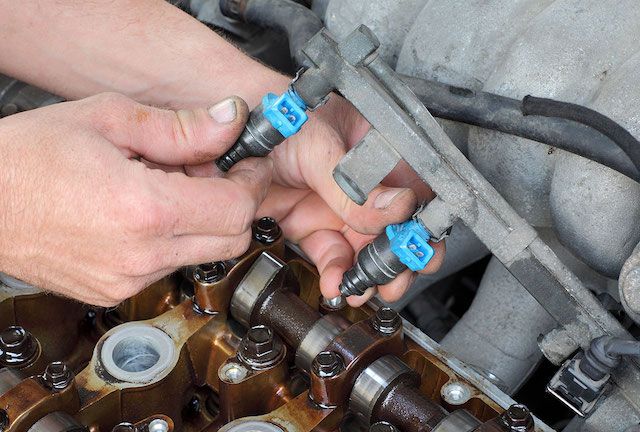
Image Credit: AutoGuru
Below you'll find the basic steps for replacing Nissan fuel injectors. Refer to a repair manual on your specific Nissan model and engine type for more detailed instructions.
CAUTION: Never replace fuel injectors when the engine is hot. Wait a few hours for the engine and exhaust system to cool.
- Park the vehicle on a flat surface and set the parking brake. Open the hood and disconnect the negative (black) battery cable.
- Remove the engine cover and locate the fuel hose connected to the fuel rail. Place a drain pan under the engine location. Disconnect the fuel hose by disengaging the retaining clip. CAUTION: The fuel line is under pressure. Wear safety glasses and fuel-resistant gloves for protection.
- Remove the intake plenum if it obstructs access to the fuel injectors. NOTE: A new gasket is required before reinstalling the intake plenum.
- Disconnect the electrical connector from each fuel injector and lay the harness aside.
- Remove the bolts securing the fuel rail to the engine.
- Carefully remove the fuel rail with the fuel injectors. Inspect the fuel injectors for missing O-rings and ensure none are lodged in the injector ports.
- Using a small screwdriver, remove the fuel injector retaining clips and pull the injectors from the fuel rail. Inspect the fuel injectors for missing O-rings and ensure none are lodged in the fuel rail.
- Apply a light amount of silicone-based lubricant to the new fuel injector o-ring seals and gently insert the replacement injectors into the fuel rail. Install the injector retainer clips. CAUTION: Avoid petroleum-based lubricants which can cause O-rings to swell.
- Carefully align the fuel injectors with their ports in the engine and reinstall the fuel rail assembly.
- Reinstall the bolts securing the fuel rail to the engine and reconnect the fuel injector electrical connectors.
- Reconnect the fuel line to the fuel rail and engage the retaining clip. Gently pull on the fuel line to confirm the retaining clip is fully engaged.
- Clean the mating surfaces and install a new gasket if you have removed the intake plenum. Reinstall the intake plenum.
- Reinstall the engine cover and reconnect the battery.
- Use a code scanner to clear any Diagnostic Trouble Codes (DTCs) from the engine computer.
- Test drive your car to verify the repair has corrected the problem.
OEM Fuel Injectors From Nissan Parts Plus
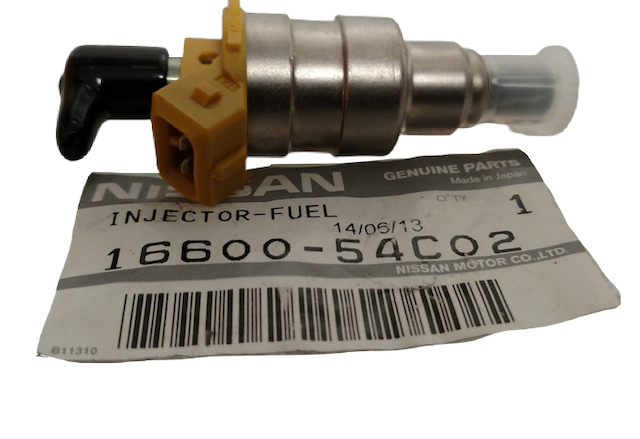
Fuel injector replacement is an easy DIY job, even for a beginner. You can gain more skills and confidence by doing auto repairs like this one yourself. Plus, you can save money by avoiding expensive auto repair labor rates. Whenever you have questions about fuel injectors or other parts for your Nissan, trust Nissan Parts Plus because:
- We’ve been a family-owned Nissan dealership for over 50 years.
- We offer factory-direct genuine OEM Nissan parts and accessories at wholesale prices.
We’re here to answer your questions and help you get you the right parts for your Nissan. Check out our FAQ or contact us today!