

Nissan Serpentine Belt Buyer's Guide
A serpentine belt uses the engine's crankshaft pulley to power accessories on your car, including the alternator, air conditioning compressor, power steering, and water pump. That's why a worn or failed serpentine belt can cause a lot of problems. If you suspect your serpentine belt is worn out, it's a good idea to replace it before it fails. Waiting too long can cause serious issues, like having your Nissan break down while you're driving it and getting stranded.
In this post, we'll cover the serpentine belt, when to replace it, and where to buy one.
What Is A Serpentine Belt And What Does It Do?
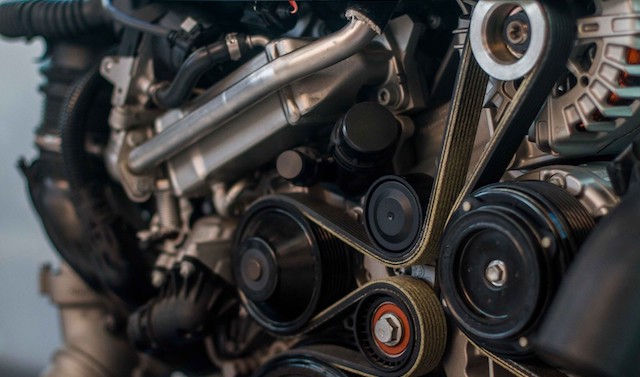
The serpentine belt is located on the front or side of the engine and winds through a series of pulleys. It uses the crankshaft's rotation to power systems on your car, including the alternator, a/c compressor, power steering, and water pump. Most vehicles use one or more tensioner pulleys to keep the serpentine belt tight, even as it stretches a little while it ages.
This article provides more information about the serpentine belt and why it's important.
When Should I Replace My Serpentine Belt?
OEM Nissan serpentine belts are made of highly reinforced rubber designed to withstand high temperatures and heavy use. They are designed last between 30,000 and 100,000 miles but sometimes fail earlier due to one of the following issues:
- Improper adjustment of accessories or pulleys
- Damaged or misaligned pulleys
- Damaged or worn-out engine accessories
As a serpentine belt starts to wear out, you may hear the belt squealing along with one or more of the following symptoms:
- Your car's battery does not fully charge
- The a/c is lukewarm or stops working
- The engine overheats or runs hotter than normal
- The power steering feels heavier than normal
If your car has a worn serpentine belt, it's important to replace it as soon as possible. A broken belt will cause other issues with your vehicle, and it will break down. In addition to the serpentine belt, it's important to check your car's hoses. Both the serpentine belt and hoses last for about the same length of time, so it's a good idea to replace these parts together.
For more information on how to diagnose a failing serpentine belt, see the article at this link.
Are OEM Nissan Serpentine Belts Better Than Aftermarket?
Your Nissan car or truck is designed to work with OEM quality parts. While you could save money buying an aftermarket part, it might cost you more money in the long run. That's because an aftermarket serpentine belt may not provide the right fit for your Nissan or last as long as an OEM serpentine belt. Ultimately the few dollars you could save up front on a cheaper belt is not worth the hassle. Read more about how important OEM belts are in this post.
How To Replace A Serpentine Belt
Replacing the serpentine belt in your Nissan is a DIY job that you can confidently tackle yourself. The steps in this article can help you do the job on an Altima. A few tips to keep in mind:
- Be sure you note the route of your belt. Your owners manual or a trusted tutorial may have one handy - but if not you can make your own drawing or notations. Be sure you route the new belt the same way as the old.
- Remember to examine all the pulleys and tensioners your belt goes around. Any problematic tensioners or pulleys should be replaced before installing your new belt.
You can save a lot of money on replacement belts and hoses by shopping with us. At NissanPartsPlus.com, we sell genuine OEM replacement belts and hoses for most Nissan models at wholesale prices. If you have questions or need help ordering parts, please contact us. We'll help you find the right part and answer any questions you have.