

How To Diagnose A Failing Serpentine Belt
A worn or failed serpentine belt can cause a lot of problems. The serpentine belt powers many different engine accessories. So when it fails, these accessories will fail, too. For example:
- The steering system loses its power assistance, which can be damaging if the vehicle is in motion.
- The water pump loses power, so it stops circulating coolant throughout the engine. This causes the engine to overheat.
- The alternator loses power, so it stops charging the battery.
It's always better to replace a serpentine belt as soon as you notice the signs of failure. Waiting until the serpentine belt fails completely can bring dire consequences. For instance, if your serpentine belt fails while you're driving, your engine will break down. This means you'll be stranded on the side of the road.
What Causes A Serpentine Belt To Fail?
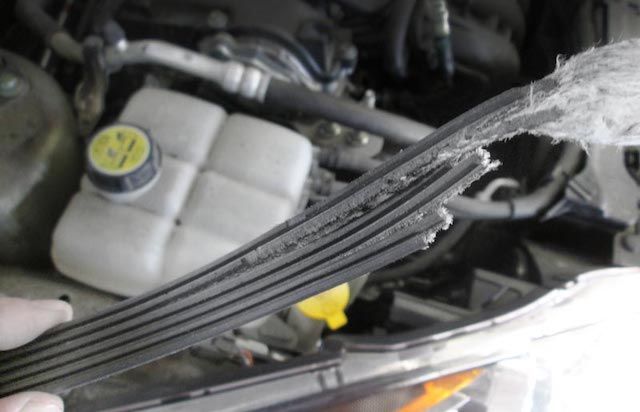
An OEM Nissan serpentine belt can last between 30,000 and 100,000 miles. Sometimes it will fail sooner than 30,000 miles. Here are the most common causes of serpentine belt failure:
1. Lack Of Maintenance
Serpentine belts wear out over time. They'll start slipping, cracking, and getting frayed edges. If you neglect to check the serpentine belt every now and then, it can wear out and completely fail. A severely worn serpentine belt will either snap or fall off the pulleys. When that happens, you can't drive your vehicle until you put a new belt in your engine. Lack of maintenance is the most common cause of serpentine belt failure.
2. Misaligned Or Damaged Pulleys
The pulleys in the serpentine belt path are manufactured from very durable plastic or metal. Yet, they are still prone to material fatigue.
For example, a pulley's ribs can get damaged. When that happens, the pulley can tear or otherwise damage a perfectly good serpentine belt. Another common scenario is when a pulley gets stuck and can no longer spin freely. That creates extra friction, which accelerates wear on the serpentine belt.
3. Damaged Engine Accessories
The serpentine belt drives many different engine accessories, such as:
- AC compressor
- Alternator
- Power steering
- Water pump
If these devices fail to function properly, they can result in a serpentine belt problem. Let's say your alternator has a faulty bearing. The rotor will not turn properly, and neither will the pulley. This accelerates wear on the serpentine belt.
Symptoms Of A Faulty Serpentine Belt
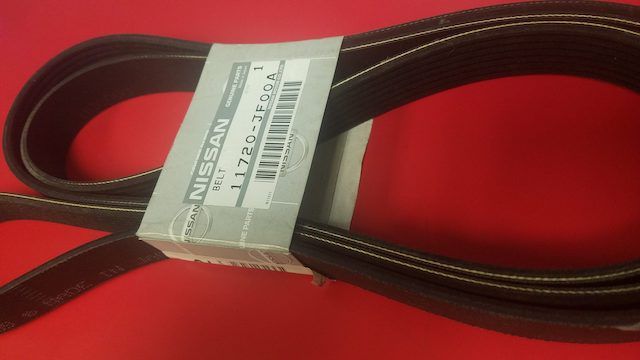
As a Nissan owner, you want to be able to recognize the signs that your serpentine belt is about to fail. That way, you can inspect your serpentine belt and replace it (if needed) before it completely fails. Here are the most common signs to be aware of:
1. Squealing Sounds
If you hear a squealing noise originating from the front of your vehicle, please don't ignore it. The noise could be emitting from the serpentine belt. A slipping serpentine belt will make a squealing noise.
2. Heavy Power Steering
The serpentine belt powers the power steering system. When the serpentine belt fails, the power steering pump can no longer send steering fluid from the reservoir to the steering box. As a result, you'll have a hard time steering your Nissan.
3. Engine Overheating
The serpentine belt powers the water pump, which circulates coolant throughout the engine. When the serpentine belt fails, the water pump fails. This means the engine can no longer be cooled, and the engine will overheat.
4. Dead Battery
The serpentine belt powers the alternator. When the serpentine belt fails, the alternator can no longer keep the battery charged.
Checking The Serpentine Belt: What To Look For
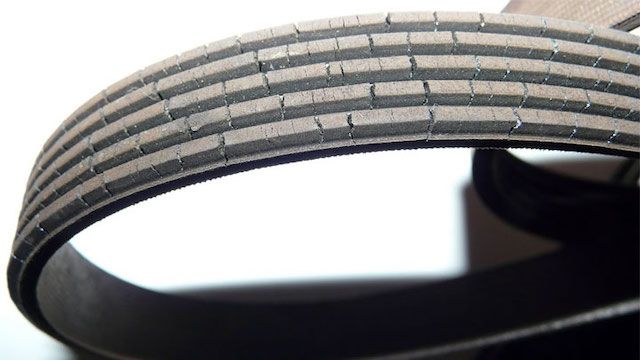
Some car parts are hard to diagnose. Other car parts, such as the radiator fan, are easy to diagnose. The serpentine belt falls into the latter category. All you need to do is to give the serpentine belt a visual inspection. First, make sure the engine is off and cool. Next, pop the engine and then find the serpentine belt. You may need to remove a cover to access it. Once you have the serpentine belt in front of you, give it a thorough visual inspection. Look for the following signs of damage:
- Cracks in the belt. Look for cracks along the ribs or at the ends of each rib. Also look for any kinks or twists that may have developed since you last replaced it.
- Curving of the ribs when you push down on them, which may indicate the belt is stressed from too much tension or from age. If a rib curves back up when you let go, that means that it's starting to crack, so don't wait until it breaks before replacing the belt.
- Crumbling or flaking of the ribs or any other parts of the belt.
- Discoloration from oil, dirt, or anything else on the belt. This is another sign that it needs to go into the trash, or at least be replaced in the very near future.
- Any holes in the belt, no matter how small they are.
- Frayed edges.
If you find that your serpentine belt is on the brink of failure, it's time to order a replacement belt. If you own a Nissan, we have what you need. We're an authorized online retailer of genuine OEM Nissan parts, and we offer wholesale pricing on all parts. Look up your Nissan model here and then order your new serpentine belt today!