When To Replace A Nissan Fuel Filter
On average, a fuel filter lasts between 40K and 80K miles, or about 2 years. The longevity of your fuel filter depends on several factors, such as:
- The vehicle's age
- The vehicle's design
- Where you buy gas
If you're not sure how often you should replace your fuel filter, consult your owner's manual. If you have a newer car, it may not even have a replaceable fuel filter. If you've had your Nissan for a while, chances are you need to replace your fuel filter. In this post, we'll help you determine whether your fuel filter needs replacing.
Before We Start...
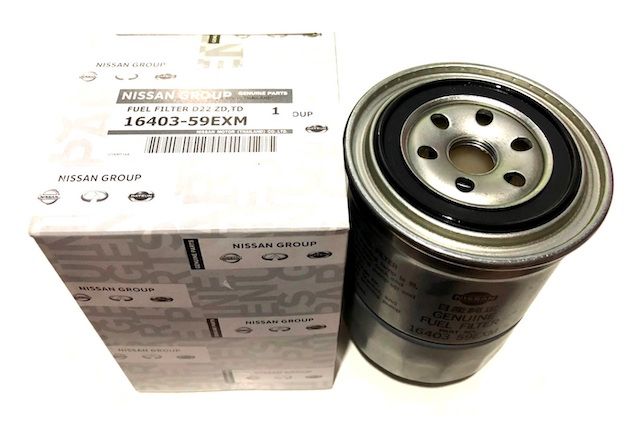
If you find that your fuel filter is bad, the next step is finding a replacement filter. We always recommend OEM fuel filters over aftermarket filters for the reasons listed here.
You don't have to visit a Nissan dealership to get an OEM replacement fuel filter. You can order one online from us. In fact, we offer wholesale pricing! You'll save quite a bit of money by shopping with us. For example, this fuel filter for 2016-2019 Nissan Titans typically costs $50 at dealerships, but you can get it from us for only $35.
Do a search in our catalog of OEM Nissan fuel filters to see if we have one for your vehicle!
Symptoms Of A Clogged Fuel Filter
The following symptoms may indicate that you have a clogged fuel filter.
- Reduced accelleration
- Reduced fuel mileage
- Trouble starting the engine
- Rough idle
- Sputtering engine
- Fuel pump issues (When your fuel filter goes bad, the fuel pump works harder.)
- Engine performance problems due to a restricted fuel flow
Keep in mind, though, that these symptoms are vague. It's possible that your fuel filter is fine, but another issue in your Nissan is causing these symptoms to show up. The best way to confirm that you've got a bad fuel filter is follow the steps below.
Checking Your Fuel Filter
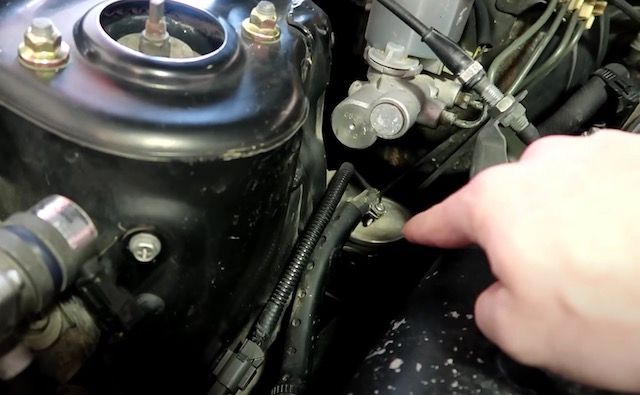
Image Credit: PrettyDecentGarage
Checking your fuel filter is pretty easy. All you need to do is give it a visual inspection. If your fuel filter is easy to remove, you can also take it off and then blow into it. Here's an overview of the process:
- Lift your vehicle. If it's easier for you, you can only lift the end where the fuel filter is.
- Find the fuel filter. If you're not sure where your fuel filter is, consult the service manual.
- Grab a flashlight and then thoroughly inspect the fuel filter from the outside. If it looks old, beat up, and/or rusted, then it's likely bad.
- If you can or if you're willing to, remove the fuel filter and then blow through it: Use a fuel filter disconnect tool on both sides. It releases the springs and then disconnects the fuel line from the filter. Pour the fuel out from the filter inlet into a safe container. How does the fuel look? If it looks dirty, then the filter is bad. Dirty fuel usually looks brown or rusty in color. It can be black, but that's rare. Blow into one end of the filter. If you feel air coming out of the other end, then the filter media still has some life. It doesn't mean that the filter is still good, though.
When In Doubt, Replace Your Fuel Filter
If you're not sure whether your fuel filter has gone bad, it's wise to replace it anyway. Replacing a fuel filter even if it's not essential is never a bad thing. You'll see an improvement in your Nissan's fuel economy and engine performance.
When you replace your fuel filter, consider writing the date on the filter with a permanent marker. This will help you in the future if you need to figure out the age of the filter.