

When To Replace A Nissan Brake Pad
Under normal circumstances, OEM Nissan brake pads last between 20,000 and 65,000 miles. Sometimes brake pads don't last that long for a variety of reasons. For instance:
- Poor friction material quality in aftermarket brake pads
- Frequent heavy braking
- Riding of the brakes
- Incompatibility with the rotors
- Issues within the braking system (i.e. sticking caliper)
- Frequent driving in stop-and-go traffic
- Towing
Whether your brake pads are failing early or they're wearing down as normal, it's important to recognize the signs of failing brake pads. Brake pads don't typically give off a lot of warning signs before failing. So it's important to be proactive and inspect your brakes often. Once you notice the signs of failing brake pads, you don't have much time to replace them before they get too bad.
What Happens When You Don't Replace Your Brake Pads
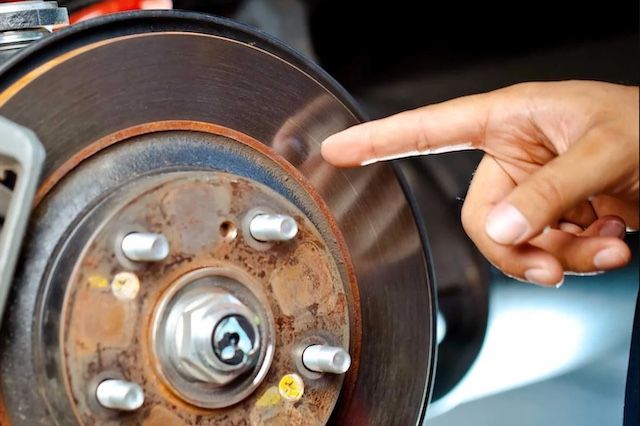
When your brake pads wear down too much, it can get too dangerous to drive. There won't be enough friction material to actually stop your vehicle quickly.
In the worst case scenario, the brake pads are completely worn out with no friction material left. In this situation, you will stop more slowly, but you'll ruin your rotors. The metal backing will grind up against the rotors and cause them significant damage. You would need to either resurface the rotors or replace both components.
That's why you should replace your brake pads as soon as they wear down to the minimum thickness specifications.
How To Find The Minimum Thickness Specifications For Your Brake Pads
Did you know that brake pads come with minimum thickness specifications? The manufacturer determines the minimum thickness of the brake pad friction material. It's the minimum amount of friction material allowed for safe braking. If the friction material on your pads wears down below the minimum thickness, your pads are no longer safe to use.
You may find the minimum thickness specifications on the brake pads. If it's not there, then it may be on the packaging the pads came in. You can always check your owner's manual (if you're using OEM brake pads).
A general rule of thumb is to replace your brake pads when the friction material wears down below 3mm. Some brake pads come with a wear indicator that will let you know when your pads have become too worn.
If you want to know how much friction material is left on your brake pads, this post will show you how to measure your brake pads.
What Is A Brake Pad Wear Indicator?
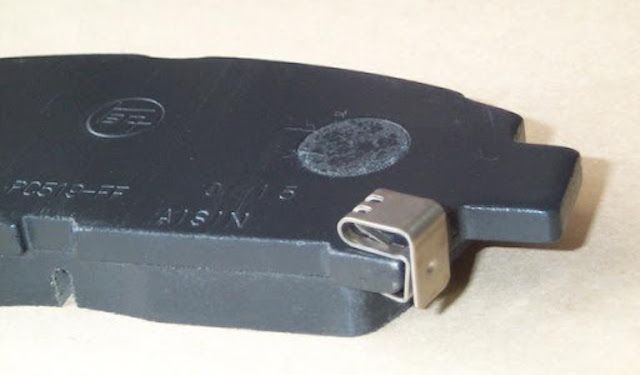
A brake pad wear indicator is a thin piece of metal that sticks out at the end of the brake pad. This metal strip is flush with the surface of your brake pads when they're at their minimum thickness. When the friction material wears down to that level, the indicator rubs on the brake rotor and makes a squealing sound. The sound alerts you that your brake pads are worn out and you need to replace them.
Don't rely too much on brake pad wear indicators if you have them. It's possible for these parts to bend away from the brake pad. They are also hard to hear in modern cars. So they're not always reliable. The best way to know that your brake pads need replacing is to check them every now and then. Also, it helps to know the signs of worn brake pads.
Signs Of Worn Brake Pads
When your brake pads wear out, you'll notice these signs while driving:
1. Squealing Or Grinding Noises When You Apply The Brakes
When your brake pads are worn out, they can't grip the rotors tightly enough to stop them from vibrating. This will cause squealing or grinding noises when you apply the brakes. The noise doesn't mean that your pads are completely gone - it may just be a sign of some significant wear.
Note that the grinding noise may also be from metal-to-metal contact. If this is the case, replace your brake pads immediately.
2. Longer Stopping Distances
Have you noticed that it takes longer for your vehicle to stop when you hit the brake pedal? It's another sign of worn brake pads. It means there isn't enough friction material left on the pad to absorb the heat created when braking.
3. Vibration In The Brake Pedal Or Steering Wheel
Do you feel the brake pedal vibrate when you step on it? Or do you feel any vibration in your steering wheel when braking? If so, that means there's something wrong with your brakes. The vibrations are caused by uneven friction between the pads and rotors. This results in poor braking, so you should check your brake pads ASAP.
4. The Nose Of Your Nissan Pulling To One Side When Braking
When your Nissan pulls to one side during braking, it usually means that there's uneven wear on your brake pads. This may indicate a problem with the brake calipers. When one set of brake pads is more worn than the other one, the other one will "grab" the rotor more effectively. This causes your vehicle to veer in one direction when you apply the brakes.
When In Doubt, Replace Your Brake Pads
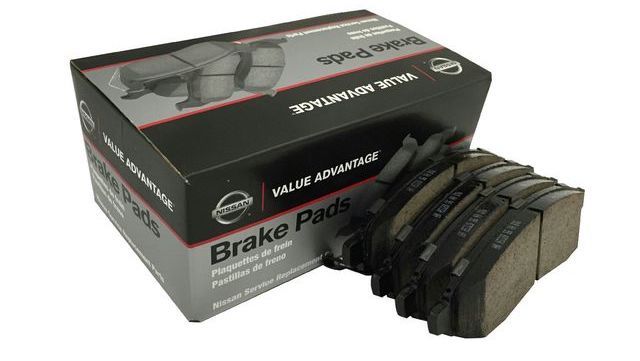
If you're not sure whether your brake pads are too worn, it's best to replace them anyway. You don't want to be driving around with worn out or malfunctioning brakes. They're very dangerous for you and other drivers. It's better to spend a few bucks on new brake pads than risk an accident that could cost thousands of dollars in damage.
Remember that your Nissan needs properly working brakes to keep you and other drivers safe! Be sure to check over your brakes once every couple months at least.