

Nissan Headlight Buyer's Guide
So, your Nissan’s headlight is acting up, and you’re not sure where to start? Don’t worry- we’ve got you covered. Whether you’re diagnosing a flickering light, deciding between OEM and aftermarket parts, or tackling a full headlight replacement, this guide breaks it all down. Let’s dive in!
1. Diagnosing A Failing Headlight
Modern headlights are more complex than ever. Gone are the days of simple halogen bulbs - now we’re dealing with HIDs, LEDs, and even entire headlight assemblies that might need replacing. If your Nissan’s headlight is dim or dead, here’s how to troubleshoot:
- Check the Bulb and Connector: For halogen bulbs, inspect for damage or a blown filament. For HIDs or LEDs, check both the bulb and the ballast (the part that powers it). Corrosion or loose connections? Replace both the bulb and connector.
- Inspect the Fuse: A blown fuse is a common culprit. Replace it with the same-amperage fuse, but if it blows again, you might have a wiring issue.
- Test the Relay and Wiring: Swap the headlight relay with another identical one to see if that fixes the problem. If not, grab a multimeter and test the wiring for voltage drops or shorts.
- Headlight Switch: If everything else checks out, the switch itself might be faulty.
Still stuck? It might be time to call in a pro - check out this diagnosis guide for full details. And when you’re ready to replace parts, skip the dealership markup - Nissan Parts Plus offers OEM parts at wholesale prices.
2. OEM Vs. Aftermarket Headlights
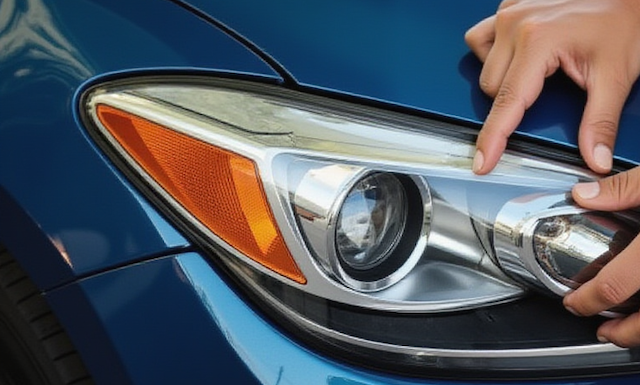
When it’s time to replace your headlight or headlight components, you’ll face the eternal question: OEM or aftermarket? Here’s the breakdown:
- Quality: OEM headlights are made specifically for your Nissan, ensuring a perfect fit and finish. Aftermarket parts? They’re hit-or-miss, often made with cheaper materials and looser tolerances.
- Reliability: OEM parts are rigorously tested to meet Nissan’s standards. Aftermarket options might not play nice with your car’s electrical system, leading to issues like moisture leaks or poor alignment.
- Warranty: OEM headlights come with a 12-month warranty, while aftermarket parts might offer little to no coverage.
Sure, OEM parts might cost more upfront, but they’re worth it in the long run. Plus, Nissan Parts Plus sells them at wholesale prices, so you’re not breaking the bank.
3. How To Replace A Nissan Altima Headlight
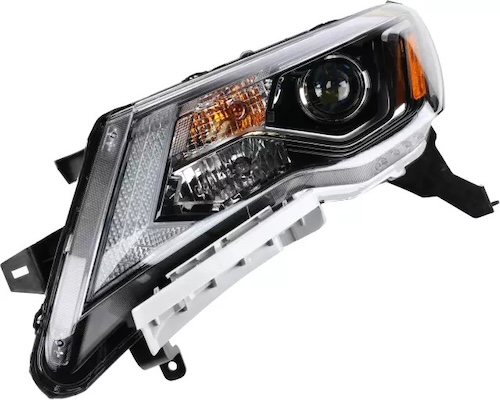
Repairing or replacing a headlight assembly on a Nissan Altima is sometimes as simple as swapping a bulb - other times it can get pretty involved. Here’s the basic rundown:
- Tools You’ll Need: Screwdrivers, socket set, trim removal tool, and maybe even a cordless drill. Don’t forget work gloves!
- Remove the Bumper: Depending on your Altima’s year, you might need to take off the front bumper to access the headlight assembly. Snap some pics as you go to make reassembly easier.
- Swap the Assembly: Disconnect the electrical connectors, remove the fasteners, and carefully pull out the old headlight. Install the new one, reconnect everything, and test the lights before putting the bumper back on.
- Final Checks: Make sure the headlights are properly aligned and aimed according to your owner’s manual.
Pro tip: OEM headlight assemblies come with a 12-month warranty, so you’re covered if anything goes wrong.
OEM Nissan Headlight Components From Nissan Parts Plus
Whether you’re diagnosing a headlight issue, choosing between OEM and aftermarket parts, or rolling up your sleeves to replace an assembly, this guide has you covered. And remember, when it comes to Nissan headlights, OEM is the way to go. For the best prices on genuine Nissan parts, check out Nissan Parts Plus - we’ve got over 50 years of experience and a huge selection of parts to keep your ride shining bright.