

Nissan Brake Shake? Check Your Rotors.
If you’re driving your Nissan and feel a sudden vibration or shudder the moment you step on the brake pedal, you aren't alone. This is a common issue often referred to as brake shake. While many drivers assume a simple pad swap will fix the problem, the problem may be deeper: your brake rotors.
Signs Of Warped Rotors
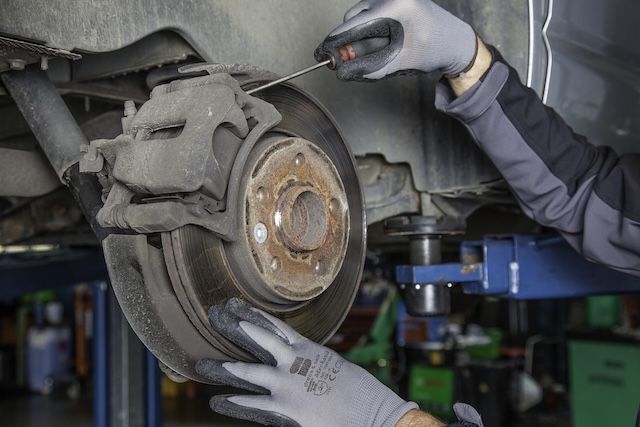
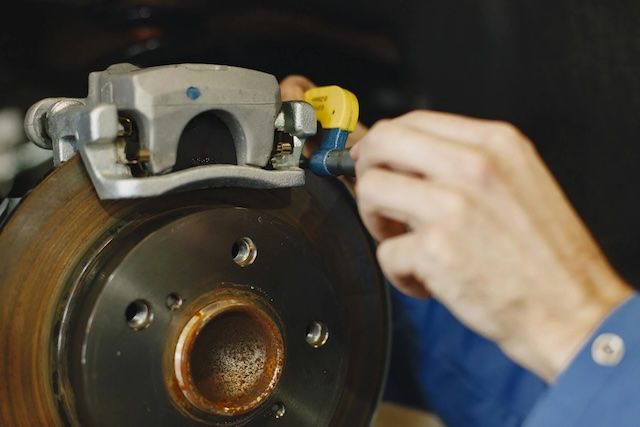
Warped rotors occur when the metal discs become uneven due to excessive heat or wear. This creates high spots that the brake pads hit unevenly, causing that annoying vibration.
- The Steering Wheel Shake: If you feel the vibration in your hands through the steering wheel, the issue is likely with your front rotors.
- The Seat Shudder: If the vibration is felt more in your seat or the floor of the vehicle, it usually indicates the rear rotors are the problem.
- Visual Cues: Look for hot spots (discolored blue/purple patches) or deep circular grooves on the rotor surface.
Physically running your fingers over the rotor (when they are cold) can also reveal a wavy or uneven surface that may be difficult to see.
Why You Should Replace Pads And Rotors Together
It's a common question: "Can I just replace the pads?" While you don't always need new rotors with every pad change, if you are experiencing a shake, you definitely do.
Your old rotor has very small grooves worn into it. A brand-new brake pad is perfectly flat. If you put a flat pad on an uneven rotor, you only get contact on the peaks of those grooves. This results in:
- Reduced Stopping Power: Less surface contact means longer stopping distances.
- Brake Squeal: High-pressure contact on uneven surfaces is a recipe for noise.
- Premature Wear: Your new pads will wear out faster as they try to conform to the old, damaged rotor.
Is Rotor Replacement A DIY Job?
Replacing your Nissan’s brake pads and rotors is a manageable task for most DIY enthusiasts. It typically takes less than an hour per wheel once you have the rhythm down. You'll need a trusted tutorial and some basic tools - and it's a good idea to take some photos along the way in case you have questions about any part of the process.
Should You Replace Or Resurface Your Rotors?
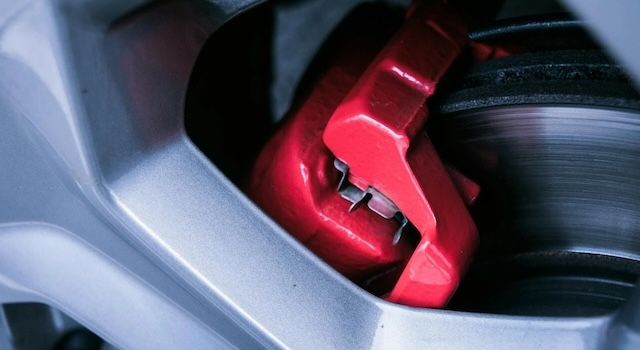
You may need to buy new rotors every time your pads wear down. If the car stops smoothly and the rotors meet the minimum thickness (min-thick) stamped on the part, you can keep them. However, if the shake is present, the metal has likely suffered heat damage. Additionally, we don't recommend you use the same rotors for more than one pad change - chances are you're pushing them beyond their limit at that point.
As far as resurfacing goes, modern rotors are thinner and lighter than they used to be; sometimes a single resurfacing makes them too thin to dissipate heat, leading to even faster warping.
Only have your rotors resurfaced if you're sure it's safe to do so. In most cases, buying OEM replacement rotors at wholesale prices from reputable suppliers is more cost-effective and safer in the long run. If your Nissan's performance rotors are drilled or slotted, they cannot be resurfaced. If they are shaking, replacement is your only safe option.
The best practice is to put a brand-new set of pads on a brand-new set of rotors - this will ensure you get 100% contact and maximum stopping power right out of the box.
Trust Nissan Parts Plus For Your Braking Needs
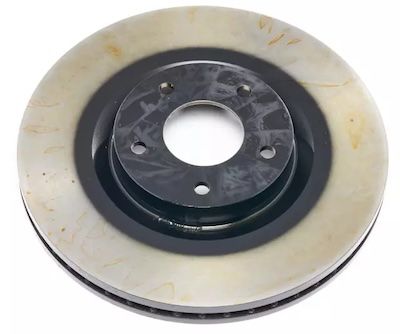
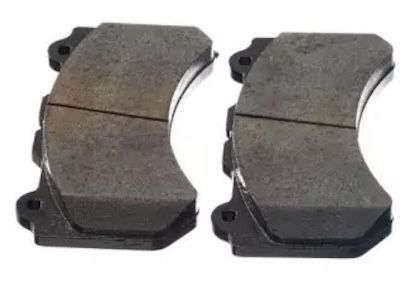
Whether you just need a replacement set of pads or a complete set of rotors and maintenance components like air filters, spark plugs, and more, Nissan Parts Plus has the perfect OEM parts for you at wholesale prices. We offer a free VIN lookup tool so you can be 100% sure you’re getting the right part for your specific model, the first time.
We offer factory-spec, genuine OEM Nissan brake pads and rotors to ensure your car performs just as the manufacturer intended. Contact us if you have any questions, and keep your Nissan running for the long haul!