

How To Diagnose A Failing Alternator: Common Alternator Problems
If your alternator starts failing, you need to replace it as soon as possible. Most OEM Nissan alternators can last for up to 10 years and 100,000 miles or more. However, several factors can shorten their lifespan.
The symptoms of a failing alternator are sometimes traced to the wrong components. To avoid costly mistakes, follow this diagnosis guide to ensure that you replace the correct part.
How To Tell If Your Nissan Alternator Is Faulty
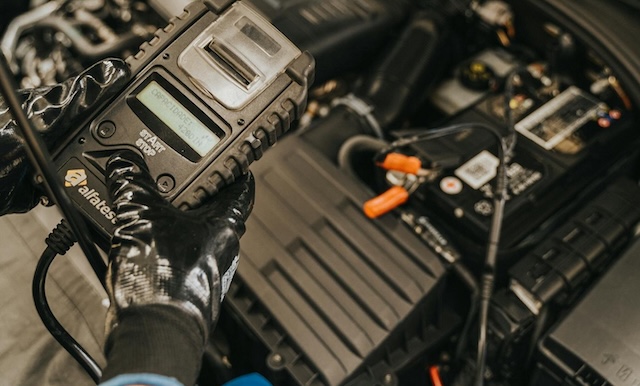
The alternator in your Nissan should work perfectly for years. But, like any moving component, it will wear out over time. Accident damage, electrical issues, and fluids leaking onto the alternator can damage it. So, it’s always worth knowing what to look for.
Many of the issues below can be caused by other faults. To avoid replacing the wrong part it is worth going through the entire checklist before replacing your alternator. Let's start by reviewing some symptoms of a faulty alternator:
- The battery keeps dying: The alternator may fail to charge the battery properly while the vehicle is running.
- Warning lights on your dashboard: The battery or alternator warning light may illuminate on the dashboard.
- Your lights are dimmer than usual: Headlights and interior lights may appear dim due to insufficient power from the alternator.
- Erratic electrical problems: Intermittent problems with the car's electrical systems may occur, which could also result from corroded wiring or a flat battery.
- Strange noises from under the hood: Whining or grinding sounds can indicate issues with the alternator. This can also be caused by faulty serpentine belts or pulleys.
What Causes Your Alternator To Fail?
If your Nissan alternator does start to fail, these are the most common causes:
- Aging: Alternators naturally wear out over time. Their lifespan depends on how often you drive your vehicle, as well as the condition of the battery and wiring. If your alternator has logged 80,000-100,000 miles, it might be time for a replacement.
- Bearings: Worn bearings can cause whining or grinding noises. This places extra strain on the alternator and reduces its efficiency, eventually leading to failure.
- Leaking Fluids: Leaks from your power steering or coolant pipes, as well as oil spilling onto the alternator, can short the electrics or corrode them.
- Belt damage: The serpentine belt that drives the alternator can slip or break. This can cause your vehicle to drain its battery as it tries to power auxiliary devices without the alternator's support.
- Electrical overloading: Installing non-OEM electrical parts can overwork the alternator and potentially cause premature failure.
- Batteries: An old battery or one that has completely lost charge too many times can put extra strain on the alternator.
Diagnosis And Troubleshooting Alternator Issues
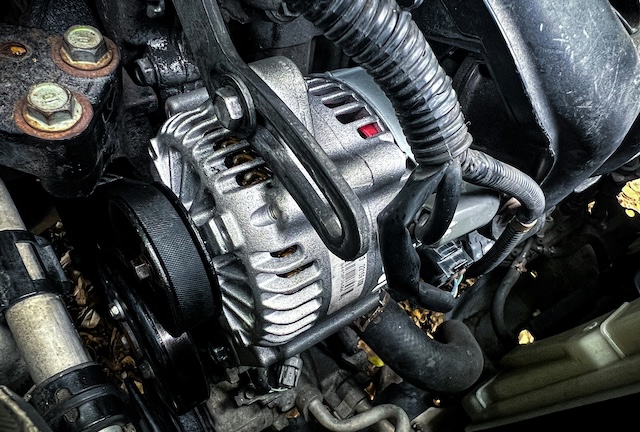
If you are experiencing one or more of the issues listed above, it’s time to troubleshoot the alternator. Depending on the model of your Nissan it may have a warning light shaped like a battery or the letters ALT or GEN. If either of these is lit, it can show a problem with the battery or alternator. If there are no warning lights but you are still experiencing issues, go through the following steps:
1. Test the battery
A faulty battery can mimic alternator problems. Check that it is fully charged and in good condition. Use a multimeter to check the voltage and be sure it's within the recommended limits for your vehicle.
2. Closely examine any odd noises
Open the hood and start the engine. Locate where the strange noises are coming from. If they are close to the alternator, check the belt and alternator bearings.
3. Inspect the serpentine belt
The serpentine belt is connected to various auxiliary devices. If it is frayed, loose, or slack, it can cause problems with the alternator. Make sure the belt is in good condition before replacing the alternator.
4. Check the electrical connectors
The alternator has some wiring and connectors attached to it. Check that these are not frayed, corroded, or unplugged.
5. Test the alternator with a multimeter
Use a multimeter to measure the voltage at the battery terminals while the engine is on. If it reads low, the alternator may be faulty. If the multimeter test showed nothing amiss, use a diagnostic tool to read any error codes from the vehicle's computer.
OEM Nissan Alternators From Nissan Parts Plus

If you have diagnosed your Nissan’s alternator as faulty, make sure to replace it with an OEM component that is guaranteed to fit and work perfectly. This will ensure that your battery and electrical system function as the manufacturer intended.
Nissan Parts Plus is part of a family-owned Nissan dealership that's been in business for decades. Our knowledgeable team is ready to provide you with the right OEM part at wholesale prices. Use our VIN decoder to ensure you get the right part the first time. You can contact us online if you have any questions - we're happy to help!