

What Is A Brake Pad And Why Is It Important?
Brake pads are one of the most important parts of a disc braking system. They work with the calipers and rotors to stop the vehicle. Out of all the brake system components, brake pads need the most maintenance.
As a car owner, it's important to know a thing or two about brake pads. This guide covers what brake pads are and why they're important.
Where Are The Brake Pads Located In The Disc Braking System?
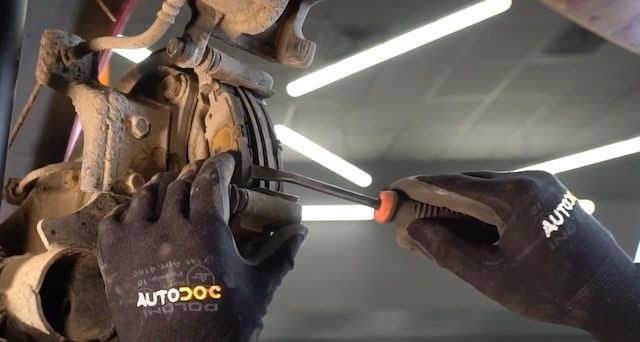
Image Credit: AutoDoc
You would find a set of brake pads nestled in the caliper, which wraps around a rotor. When you press on the brake pedal, the caliper forcibly pushes the pads against the rotor.
You can access the brake pads on your Nissan by removing the calipers from the rotor. This is quite easy to do. All you need to do is lift the vehicle, remove the tire, and then pop off the caliper. Once you have the caliper in your hand, you can remove the brake pads from it.
What Do Brake Pads Look Like?
Brake pads are about five inches long and a few inches wide. The friction material on a new brake pad is about 12mm thick. A brake pad is a simple part, but its structure has several important components:
- Noise reduction shim: This shim acts as a spacer to make sure that there's always adequate distance between the backing plate and caliper. It also absorbs small vibrations that build up and cause excessive noise. If there wasn't one installed, then the backing plate would be able to touch the caliper. This would cause the normal force and friction to change and that could lead to excessive noise. The shim is also made from a durable material that can withstand high temperatures, like metal or ceramic.
- Backing plate: This part is a rigid piece of metal that the caliper piston presses on. The friction material is adhered to the other side.
- Abutment tabs/ears: This is a part of the backing plate. There's one on each side of the backing plate. These tabs/ears align the pads in the caliper when they are installed on the vehicle's brake system. They keep the pads in place, even if the vehicle is subjected to high heat or sudden impacts.
- Bonding adhesive: This part is between the backing plate and the friction material. It ensures that the friction material firmly stays on the backing plate.
- Friction material: This component is what creates the friction needed for deceleration. There are a number of materials that can be used for the friction material, including organic and ceramic materials.
How Brake Pads Work Within The Braking System
A disc brake system consists of the:
- Calipers
- Brake pads
- Rotors
- Other parts
When you press down on the brake pedal, the caliper clamps down on the pads and the rotor. This creates friction between the brake pads and the rotor. The friction either slows down the rotor or stops it from spinning.
Maintaining Your Brake Pads
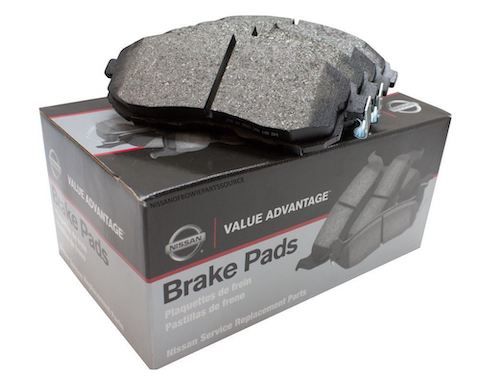
Brake pads have a limited amount of friction material, so they wear out after a while. Brake pads vary in lifespan, but they generally last 50,000 miles. You will know when your Nissan brake pads are in dire need of replacement if you notice any of these symptoms:
- Spongy brake pedal
- Screeching or grinding noise when you hit the brake pedal
- Steering wheel vibrating while braking
- Increased stopping distances
If your car has worn brake pads, you'll need to replace them right away. Doing so will prevent premature rotor wear, which can come with a high repair bill.
You can save a lot of money on replacement brake pads by shopping with us. At NissanPartsPlus.com, we sell genuine OEM replacement brake pads for most Nissan models. Look up your Nissan model in our catalog of OEM brake pads. Do you know which Nissan brake pads are right for your car? If not, please contact us. We'll help you find the right part number.