

A Small Part That Saves Your Engine: Don't Ignore Your Nissan's PCV Valve
When Nissan enthusiasts talk about engine maintenance, the conversation usually revolves around synthetic oil, spark plugs, and air filters. But buried under the hood of your Nissan is an inexpensive, plastic-and-metal component that works tirelessly to keep your engine alive. It’s called the Positive Crankcase Ventilation (PCV) valve, and ignoring it is one of the most expensive mistakes you can make.
What Does the PCV Valve Do?
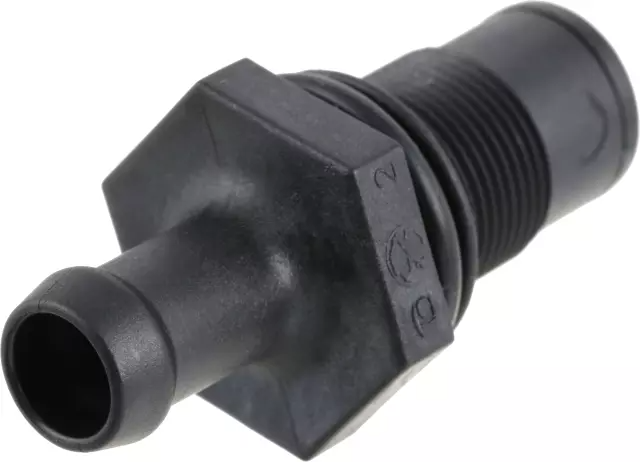
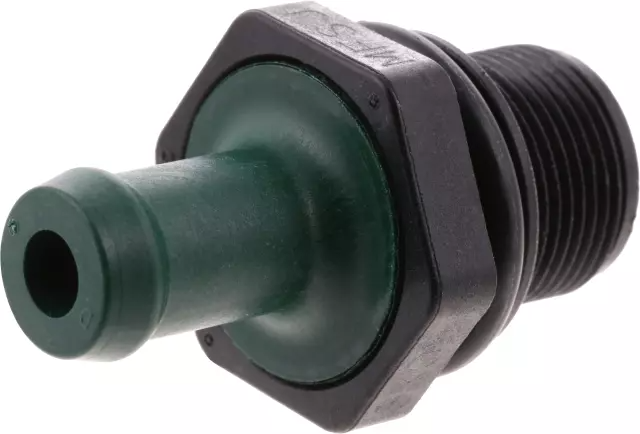
During the normal combustion process, a small amount of unburned gas and exhaust fumes sneak past the piston rings and down into the engine block (the crankcase). These gases are highly corrosive and build up extreme pressure. If left alone, they will quickly break down your engine oil, causing thick, engine-destroying sludge.
The PCV valve is a brilliantly simple one-way valve that routes those harmful gases out of the crankcase and back into the intake manifold, where they are safely burned off in the engine. It relies on a carefully calibrated internal spring to open and close based on engine vacuum. But over time, carbon buildup and oil residue can cause this little valve to stick open or clog shut entirely.
Symptoms of a Failing PCV Valve
When a PCV valve fails, the symptoms can range from annoying to catastrophic:
- Excessive Oil Consumption: A stuck open valve can suck engine oil directly into the intake, causing your engine to burn oil rapidly. If your VQ or QR engine is suddenly drinking oil between changes, this is the first place to look.
- Blown Seals and Oil Leaks: A clogged valve traps pressure inside the engine block. That pressure has to go somewhere, and it will eventually blow out your main seals or valve cover gaskets, resulting in massive oil leaks.
- Sluggish Performance: A malfunctioning PCV valve acts like a massive vacuum leak, causing a rough idle, misfires, and poor acceleration.
Testing the PCV valve is easy. For most Nissan models, you can pull it out of the valve cover with a wrench and simply give it a shake. If you hear a distinct clicking or rattling sound, the internal pin is free, and the valve is likely fine. If it makes no sound at all, it's likely clogged solid and needs immediate replacement. It's cheap insurance to just swap it out.
OEM Nissan PCV Valves from Nissan Parts Plus


A PCV valve might only cost a few dollars, but buying a cheap aftermarket replacement is risky. The internal spring tension on a PCV valve must be perfectly matched to your specific engine's vacuum levels. Generic aftermarket valves often have the wrong spring rate, meaning they won't open and close when your engine needs them to.
Don't risk blown seals and major oil leaks over a twenty-dollar part! Choose genuine OEM Nissan PCV valves from NissanPartsPlus.com for guaranteed quality, perfect fit, and zero guesswork. Keep your engine breathing easy and shop with us today!