

How To Diagnose A Failing Engine Control Module
A malfunctioning engine control module (ECM) can be complex to diagnose, as it may cause single or multiple symptoms. Here’s a guide to help recognize potential ECM issues:
Check For Stored Diagnostic Trouble Codes (DTCs)
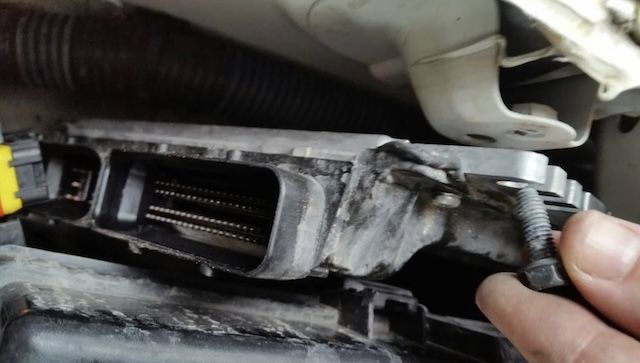
Image Credit: ClubFrontier
If the ECM experiences an internal malfunction, it activates the check engine light. An ECM is programmed with self-monitoring DTCs designed to identify internal functionality problems. These trouble codes cover both hardware faults and software errors. The ECM conducts self-diagnostic tests during each power-on cycle, setting a DTC for any test that fails. Connecting a scan tool and reading the DTCs can help point the diagnosis in the right direction.
Verify The ECM Software Is Current
ECMs may have programming errors, even after thorough testing by the manufacturer. Real-world driving conditions can reveal unforeseen problems with ECM software. Search for technical service bulletins (TSBs) to confirm the ECM is running the latest software version. Contact a dealer to program the ECM with the newest software before determining if the ECM is faulty.
Check If The ECM Is Receiving And Processing Data Correctly
The ECM relies on accurate sensor inputs for proper functionality. Using a scan tool or scope to monitor sensors is the optimal approach to determining the validity of the data. If data is accurate and no sensor DTCs are present, the ECM might be misinterpreting the information. Before deciding if the ECM is at fault, always rule out faulty sensors, loose connectors, or damaged electrical wiring.
Check If The ECM Is Sending Correct Commands To Other Components
ECM software contains instructions for sending specific commands to components like valves and actuators under various operating conditions. The ECM achieves this through internal switches or drivers that supply voltage or ground to engine electrical components. If the ECM fails internally, it may not be able to send commands as programmed. A capable scan tool is essential to verify if the ECM is controlling these components correctly. Prioritize diagnosing a suspected part or electrical circuit before concluding the ECM at fault.
Verify The ECM Is Communicating With Other Controllers
The ECM communicates with other control modules through the controller area network (CAN). If the ECM goes offline and cannot communicate, other control modules will set DTCs for lost communication. CAN-related DTCs might be the only indication of an ECM failure. If the ECM is offline, or you can’t read any ECM data with a scan tool, it could indicate the following:
- CAN circuit fault
- Blown ECM fuse
- ECM power circuit fault
- ECM ground circuit fault
- Internal ECM failure
Getting An Accurate Diagnosis Is Important
A malfunctioning ECM can result in rough running, stalling, or a no-start condition. When the ECM is partially or totally disabled, it can’t regulate fuel delivery, engine timing, or other critical functions that allow the engine to start or run correctly. Be sure to check out our related post on common engine control module problems. Accurate diagnosis of a bad ECM can be challenging, depending on the tools available and your skill level. Seeking assistance from a qualified technician may be ideal to determine if your ECM is failing. If you need a new ECM, don’t pay the full retail price at a dealer. Nissan Part Plus has the correct OEM replacement ECU for your Nissan, at the best price.
Trust Nissan Parts Plus
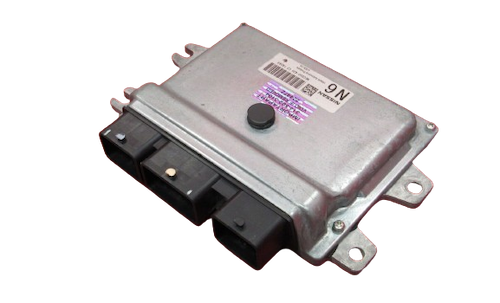
If you find that you need to replace the ECM in your Nissan, we've got you covered. We have a huge selection of genuine OEM Nissan parts, and we ship quickly. Order from Nissan Parts Plus because:
- We’ve been a family-owned Nissan dealership for over 50 years.
- We offer factory-direct genuine OEM Nissan parts and accessories at wholesale prices.
- We’re here to answer your questions and get the right parts for your Nissan. Check out our FAQs, or please contact us!