

How To Diagnose A Failing Power Steering Pump: Common Steering Pump Problems Explained
Power steering is a standard feature on just about every modern vehicle. It eases steering effort which allows for a more direct steering ratio and takes the hassle out of parking lot maneuvers. Like all mechanical components, the power steering pump can wear out over time.
Understanding how to diagnose a failing power steering pump can help you get it repaired before it breaks completely. This guide will cover the signs of a healthy power steering pump, indicators of a failing one, and what happens when it fails completely.
Normal Power Steering Pump Operation
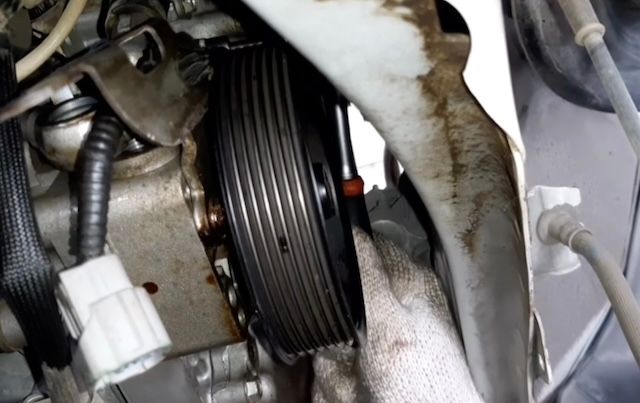
Image Credit: Kasagpi
When the power steering pump and its associated parts are working well, the steering wheel should turn easily and smoothly. The steering effort should be consistent, and there should be no whining or groaning sounds.
Symptoms of a Failing Power Steering Pump
If the power steering pump is starting to fail, there are several symptoms to look out for:
- Noise: A whining or groaning noise when turning the steering wheel is a common sign. This noise may fluctuate with engine speed
- Leaking Fluid: Visible power steering fluid leaks under the vehicle could indicate a problem with the pump or the hoses connected to it. This is usually accompanied by a whining noise if the fluid is low.
- Difficulty Steering: If the steering wheel becomes hard to turn, especially at lower speeds, the pump may be at fault
- Vibrations: Feeling vibrations through the steering wheel when idling could be a result of a damaged power steering pump
- Foamy or Discolored Power Steering Fluid: This could be due to water or air getting into the power steering system. Look for cracks in the power steering reservoir and tubing or hoses
Complete Failure Symptoms
If the pump fails completely the steering wheel will be extremely difficult to turn. This is most noticeable at low speeds and when parking.
A large pool of power steering fluid (usually red or reddish-brown if old) under the car is a sure sign of leaking power steering hoses. The pump will fail if the car is driven without power steering fluid.
If a warning light with a picture of a steering wheel illuminates on your dashboard, you should have the steering system checked at your earliest opportunity.
Troubleshooting a Suspected Power Steering Pump Failure
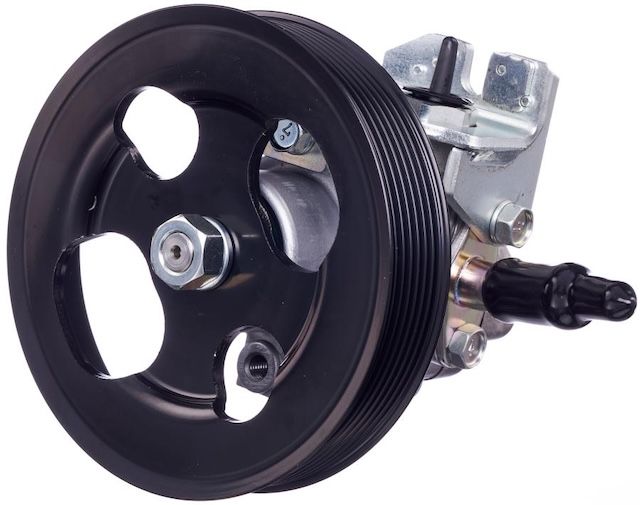
If you are experiencing some of the above mentioned symptoms, it’s worth running a few checks to confirm whether the power steering pump is at fault.
Basic Tests:
- Check for any visible leaks around the pump and hoses
- Inspect the power steering fluid level and condition – very low fluid level or extremely dark fluid can cause pump damage
- Start the engine and listen for any unusual noises coming from the pump area
- While the vehicle is parked and the engine is on, turn the steering wheel back and forth to feel for any stiffness or odd noises
Advanced Tests:
If you are mechanically inclined or already have some tools in your garage, you can do the following tests:
Use a mechanic's stethoscope to isolate noises. With whirring radiator fans, spinning pulleys, and the general noise of the engine idling, you may want to make sure that the power steering pump is making the noise you have been hearing. As the pump’s bearings fail, the noise gets gradually louder over time; this method allows you to identify the issue before complete failure.
Use a pressure gauge to measure the pump's pressure output. If the pressure is well below specification, a new pump, seals, or hoses will be required. Seal deterioration is one of the most common faults with power steering systems. This method can highlight where the loss of pressure originates.
Examine the fluid. You can siphon out some of the power steering fluid and check it for contaminants. Fresh power steering fluid is a light red color. If you notice small particles, oil, water, or a foamy residue, there may be a leak or damage to the pump. Old or contaminated fluid can cause the pump to overheat.
Always Use OEM Replacement Power Steering Pumps For Your Nissan
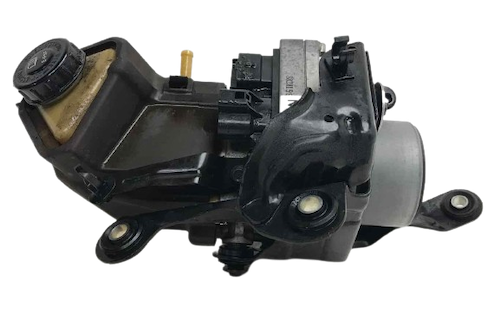
Identifying the early signs of a failing power steering pump can prevent a breakdown or further mechanical damage. Regular checks, listening for unusual noises, and being aware of changes to the steering feel are important.
If your pump is faulty, always use OEM parts to ensure everything fits and works perfectly. Aftermarket parts are often generic items that won’t meet Nissan’s stringent quality requirements and may damage other steering components.
Nissan Parts Plus is part of a family-owned Nissan Dealership in Massachusetts, and our knowledgeable team is ready to provide you with the right OEM part at wholesale prices. Use our VIN decoder to ensure you get the right part the first time. You can contact us online, or call us at 1-888-370-4432.