

How To Diagnose A Failing Ball Joint: Common Ball Joint Problems
Ball joints are essential to your Nissan's suspension system. They connect the control arms to the steering knuckles, allowing for a smooth range of movement and precise steering. Occasionally, they wear out and start to fail, so it's important to recognize the signs and replace them as soon as possible.
Diagnosing a failing ball joint can save you from costly repairs and ensure your safety on the road. This guide will help you identify normal ball joint operation, symptoms of a failing ball joint, and steps to troubleshoot common ball joint problems.
Normal Ball Joint Operation
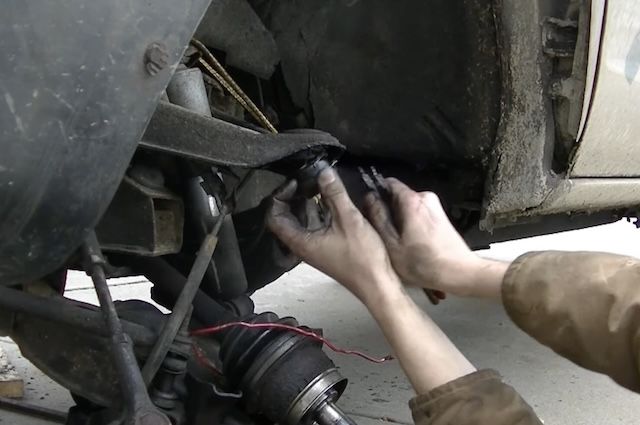
Image Credit: 3DMachines
In a well-functioning vehicle, ball joints operate quietly and smoothly. You should not hear any unusual noises or feel any excessive play in the steering. The car should handle well, with no vibration or wandering.
To keep your Nissan's suspension in optimal condition, it's important to inspect the ball joints regularly and check for signs of wear.
Signs Of A Failing Ball Joint
Ball joints can wear out over time, leading to several noticeable symptoms:
- Clunking noises: Unusual clunking or knocking sounds from the suspension, especially when driving over bumps.
- Excessive vibration: Excessive vibrations in the steering wheel when driving in normal conditions, including going over bumps or around corners.
- Uneven tire wear: Uneven tire wear leading to poor handling and reduced tire life.
- Poor handling: The vehicle starts to wander or pull to one side.
Common Ball Joint Problems
Understanding what causes ball joint issues can help in diagnosing and preventing future problems:
- Lack of lubrication: Ball joints need proper lubrication to function smoothly. Lack of lubrication can cause them to wear out faster.
- Contaminants: Dirt, water, and debris can enter the ball joint, causing it to lose lubrication or lead to corrosion and accelerated wear.
- Wear and tear: Over time, ball joints naturally wear out due to regular use and road conditions.
How To Diagnose Ball Joint Problems
To diagnose ball joint issues, you can perform several tests at home or consult a professional mechanic. Here's how you can do it:
- Visual inspection: Look for any signs of damage, corrosion, or leakage around the ball joints. Check the rubber boots to ensure they are intact and not torn.
- Jack up the car: Raise the vehicle and secure it on jack stands. Try to move the wheel up and down and side to side. Excessive play may indicate a worn ball joint.
- Check for noise: Have someone turn the steering wheel while you listen for clunking or knocking noises from the suspension area.
- Tire wear check: Inspect the tires for uneven wear patterns.
Nissan Parts Plus Has Ball Joints At Wholesale Prices
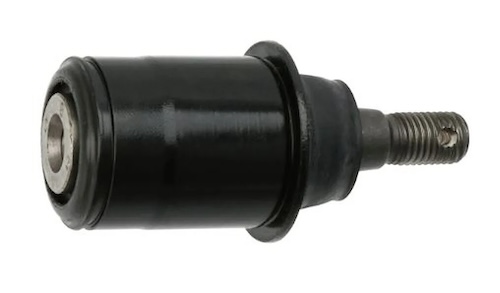
If you need ball joints, Nissan Parts Plus has quality OEM parts for your Nissan car, truck, or SUV. We are part of a family-owned Nissan dealership in Massachusetts, and our knowledgeable team will help you find the right part at wholesale prices. Go online to use our VIN decoder to ensure you get the right part the first time.
Got questions? Contact us online, or call us at 1-888-370-4432.